01
/
03
SMART LIVING

The Door That Thinks for Itself.

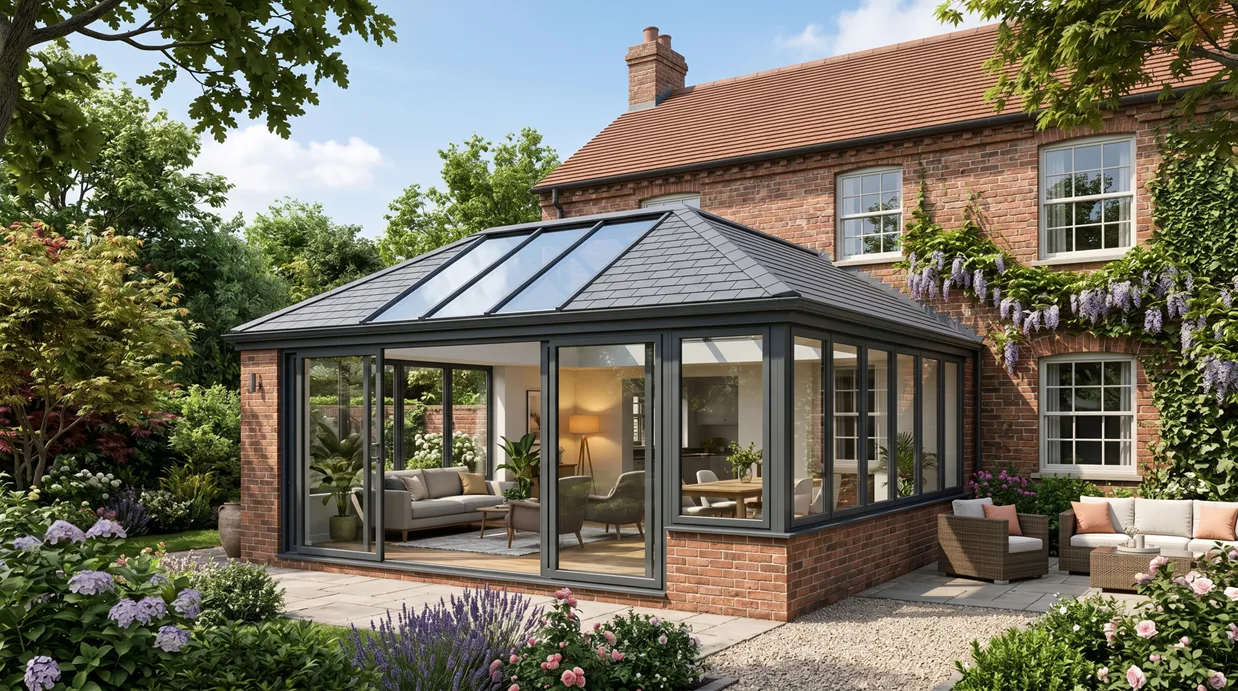
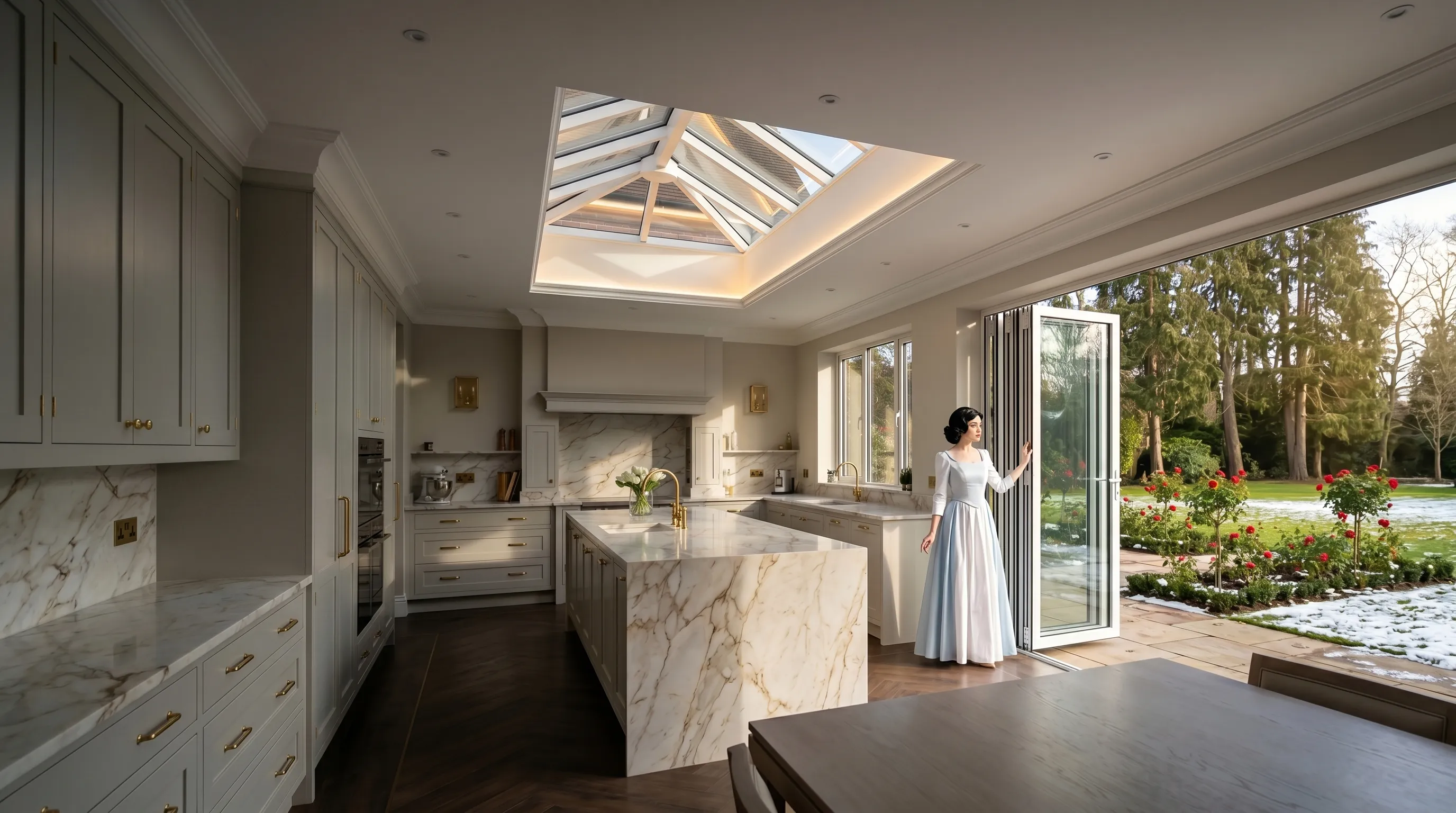
Smart doors that close, lock and report to your phone automatically — and recognise you in under a second when you return.

02
/
03
CONNECTED SECURITY

Locked. Logged. On Your Phone.

Every closure engages the multi-point locks, updates your app silently and records the event in a full audit trail.

03
/
03
 FUTURE-PROOF YOUR HOME

Tomorrow’s Home. Fitted This Month.

Premium aluminium doors and windows with intelligent hardware built in — installed by our own team with a 10-year guarantee.

04
/
05
Connected Control / Scenes

One Touch. Every Opening.

The magic isn't any single gadget — it's the scene. A single 'goodnight' check confirms every door and window is closed and locked, drops the blinds and sets the climate. Specified around open protocols, with UK/EU cloud and no subscriptions.

05
/
05
PAS 24 Tested Doorsets

Lab-tested aluminium doors & windows certified to PAS 24:2022

PAS 24 isn't a design claim — it's a physical pass in an accredited lab against levers, impacts and cylinder attacks. Our certified doors and windows can earn a 5–15% insurance discount and a certificate number for your records.

White left-pointing arrow icon on a dark background.
White right-pointing arrow icon on a dark background.
Content
For most of the twentieth century, a residence’s relationship with the wider world was mediated by a single iron key, a brass letterplate and a doorbell on a length of bell-wire. The door, the windows and the blinds were — literally — dumb.

That settlement is over. In 2026 the openings of a well-specified British home read fingerprints, sense rain, switch from clear to opaque on cue, talk to the heating, log who came in at half past nine, and quietly tilt the integral blinds five degrees as the morning sun rises higher behind the chimneys. None of this is theatre. The components are mature, the protocols are stable, and the price has fallen far enough that it is now a sensible question on any renovation worth more than the cost of a new kitchen.

This piece is intended for the homeowner standing in front of an architect’s drawings, wondering which of the “smart” bullet points are worth paying for and which are best left alone. It is also an attempt to be honest about the limits.
1. Defining IoT fenestration, properly
The term “Internet of Things” has been so heavily applied to so many indifferent products that it is worth a precise definition. In the context of windows and doors, an IoT component is one whose state can be read, and whose action can be commanded, by a controller distinct from the user’s hand. A motor on a rooflight, an electric strike on a door, a sensor on a window catch, a transparency switch on an LC glass unit — each of these is an endpoint. They become useful when a controller can address them in a coherent ruleset.

Three things follow from that definition. First: the glass and the joinery themselves are mostly conventional — the intelligence lives in the actuator and the sensor, not the silica. Second: the protocol matters more than the product, because the protocol determines which controllers can talk to it. Third: it is the scene — the orchestrated combination of states — that delivers the lived experience, not any single device.
2. The biometric front door
Of every smart-home component a homeowner might add to a fenestration package, biometric entry is the one that earns its place fastest in everyday life. The reason is mundane: the front door is operated several times a day by every member of the household, and the inconvenience of a fumbled key in the rain compounds quickly.

A modern biometric reader sits behind a small tempered-glass window, typically the size of a one-pound coin, and reads the unique pattern of ridges, minutiae and pore distribution on a presented fingertip in less than a second. The print is not stored as an image — only as an irreversible mathematical template — which means that even if the controller were stolen, the prints could not be reconstructed.
Mounting choices
There are three places one might mount the reader, and the choice is genuinely architectural.
Recessed in the door frame — flush with the aluminium stile, beside the handle. The most-specified option. Visually disappears.

Set into the brickwork — useful for listed properties or heritage front doors where the door itself ought not to be drilled. Recessed within a single course of brick, or into a stone reveal.

Inside the pull-handle — the reader is integrated into the upper section of a full-height door pull, so the print is read as the hand naturally falls upon the handle. Particularly well-suited to very tall single-leaf entrance doors.
The everyday case for it
The argument for biometric entry is more practical than dramatic. Consider the small problem of stepping outside for two minutes — to the bins, to receive a courier, to call the dog — without a key in the pocket. The classic British solution is to wedge the door open with a stone or a folded newspaper. This is, of course, also a written invitation to anyone walking past.
A biometric door is more secure precisely because one no longer has to leave it standing open.
With a fingerprint reader, the door closes fully behind one, engages all multi-point hooks and deadbolts, and the residence is properly secured for the duration of the trip to the bin. On returning, a touch of the finger, and one is back inside. The improvement to security is not theoretical. It removes a dozen small daily moments of vulnerability that the household had previously trained itself to tolerate.
Per-person scenes
Each enrolled fingerprint is, in effect, a distinct user account. That account can carry its own permissions and its own scene. The owner’s arrival might raise the kitchen lighting to forty per cent, set the climate to twenty-one degrees, queue a particular audio playlist and open the integral blinds in the principal rooms. A child’s print can be configured to unlock only the family entrances and to leave the parents’ rooms locked. A cleaner’s print can be valid only between nine and one on a Tuesday. A holiday house-sitter can be granted access for a fortnight, after which the print automatically retires.

Many systems also offer a discreet voice announcement — “welcome home, James” through the multi-room audio — though one is free to mute it entirely. Useful in larger residences; redundant in smaller flats.
3. Intelligent windows and motorised sashes
The case for motorising windows is more selective than the case for motorising the front door. The two openings worth motorising are: high-level windows the occupant cannot reach without a stool, and any rooflight on a flat or shallow-pitched roof.

For the latter, a motorised opener with an integrated rain sensor is genuinely transformative. The rooflight ventilates the kitchen on warm afternoons and closes itself on the first drop of rain — a homeowner who spends weekends not present, or who is asleep when a summer storm arrives, will appreciate it within a fortnight of installation.

For the former — high-level glazing on a stair atrium, a vaulted dining room, a double-height hallway — a chain-actuator opener tied into the home-automation system handles ventilation as part of a climate scene, rather than as a chore.

The principal protocols at this layer are KNX (the European bus-wired standard, beloved of architects), 0–10V or 24V DC for the actuator itself, and increasingly Thread or Zigbee for the wireless control side. None of this is exotic; the wiring is laid in alongside the lighting first-fix.
4. Switchable smart glass
Switchable glass — sometimes labelled liquid crystal (LC), polymer-dispersed liquid crystal (PDLC) or simply privacy glass — turns from crystalline transparent to opaque white in milliseconds, on the application of a small voltage. The technology has been available commercially since the mid-1990s, but it is only in the last five years that prices have fallen far enough, and lifespans risen far enough, to make it a sensible specification for residential work.

The film itself is encapsulated between two panes of safety glass to form a sealed insulated unit, exactly like any other double-glazed pane. There is no retrofit film involved — the entire IGU is fabricated to commission with the smart film already laminated within. Power requirement is roughly four to seven watts per square metre while clear, and zero watts while frosted (the glass defaults to opaque when unpowered, which is sensible from a privacy perspective).

The places it is genuinely worth fitting are: principal ensuites that overlook a garden one wishes to enjoy, home cinemas with a view (clear by day, opaque at film time), home offices used for video calls, and partition glass between bedrooms and walk-in dressing rooms. The places it is mostly wasted are: kitchens, drawing rooms, and any aspect that already has an integral blind.
5. Integral and motorised blinds
Integral blinds live within the cavity of a sealed insulated glass unit. They never gather dust, never tangle, are unaffected by pets and small children, and survive the lifetime of the glazing itself. They can be specified as manual (a magnetic slider on the inside frame), motorised (a small DC motor at the head of the cavity), or fully smart-home addressable.

The smart-home variant is, in practice, the one to specify on a new commission of any consequence. It costs a few percent more than the motorised version and unlocks the scene logic that makes the rest of the home-automation system worth having: blinds tilt in the kitchen as the sun reaches the worktop; close fully in the cinema room when a film is selected; rise in the bedroom on the alarm clock; descend in the dining room as the sun sets, on a dimming curve that keeps the silver gleaming on the table without ever blinding the guests.
6. Climate, leak and presence sensors
The least glamorous components of a connected residence are also the most consequential. A leak sensor in a flat-roof gutter outlet, a temperature-and-humidity sensor on the back of a sash window, a presence sensor in a stair atrium — each costs a few tens of pounds and saves considerable trouble. Three are worth specifying as standard.

Window-frame contact sensors 
on every ground-floor opening, reporting open or closed state to the alarm panel and the home-automation hub. The hub uses them to refuse to engage the heating boost if a window is open by mistake.
Rain sensors 
on motorised rooflights and balcony doors, set to close any motorised opening within two seconds of detecting moisture.

Leak sensors 
at the foot of every external door threshold and at every flat-roof rainwater outlet — cheap insurance against a blocked downpipe at four in the morning during a December downpour.
7. Home-automation platforms compared
Five platforms cover almost every residential commission in the United Kingdom in 2026. Lutron — the lighting-control specialist, expanded comprehensively into shading, climate and integration. The choice for residences where the lighting design itself is the centrepiece. Robust, expensive, dealer-installed.

Crestron — full-fat custom installation. The system to specify when there are also custom-installed audio, video, multi-zone climate and projection-screen workflows that need to behave as a single experience. Almost always behind a custom integrator.

Control4 — the middle ground. Capable of orchestrating the entire residence to a Crestron-grade specification, at noticeably lower cost and with a more approachable end-user app. Also dealer-installed, but a smaller dealer base is sufficient.

KNX — the European bus-wired open standard. The architect’s preference. Survives any single supplier going out of business because the protocol is open and well-documented.

Apple Home (HomeKit) and Matter — the consumer-grade tier. Increasingly capable, requires no dealer, and through the new Matter standard now interoperates with most third-party devices. The right choice for a smaller residence or a flat where the budget for a full custom installation is not warranted.
8. Cybersecurity and sovereign cloud
A connected residence has a connected attack surface. The right questions to ask are: where is the cloud, who has the encryption keys, and what happens if the manufacturer goes out of business.

For UK residential work, prefer suppliers whose cloud infrastructure is hosted in the UK or EU on Microsoft Azure or AWS European regions, encrypted at rest and in transit, and GDPR-aligned. Prefer also suppliers whose biometric templates are stored locally on the controller rather than in the cloud, so a cloud breach cannot exfiltrate fingerprint data. And prefer, finally, those that operate without monthly subscriptions: a smart lock whose mobile app stops working the day the manufacturer turns off its cloud is not a smart lock, it is a hostage situation.
The honest summary
In 2026 the connected residence is no longer a curiosity. It is, simply, the way well-specified UK homes are now built. The cost premium over conventional fenestration is in the order of fifteen to twenty per cent on a whole-house glazing package, which is recovered in lifestyle benefit and resale value within five years.

The advice we give to every client who asks: specify the protocols rather than the brands, demand local biometric storage and UK / EU cloud, refuse subscriptions, and orchestrate by scene, not by gadget.
9. Specifying it properly
If a homeowner takes only one practical recommendation from this piece, it should be this: do the wiring at first-fix even if the budget for the full smart-home rollout will not arrive until later. A simple low-voltage cable run from the consumer unit to every door head, every motorised window, every rooflight motor and every blind cassette costs a few hundred pounds during the build. Adding it later, after the plaster is on, costs ten times that and leaves visible chases in the walls.

The same applies to the door — specify a cable from the entrance reader location to the central controller, even if the biometric reader itself is not installed for another year. The conduit is cheap; the rework is not.
10. Frequently asked — the abbreviated version
Will my biometric door fail when the broadband goes down?

No. The fingerprint database lives on the local controller, not in the cloud. Authentication continues normally. The cloud is required only for remote unlock from the mobile app, audit-log export and over-the-air firmware updates.

Can I retrofit smart glass to existing windows?

Not properly. Retrofit film exists, but it tends to peel, blister and fail within five years. The right way is to fabricate a new sealed insulated unit with the smart film laminated within. The frame can usually be retained.
Are integral blinds suitable for bifold doors?

Yes — they are particularly suitable. Each leaf carries its own integral blind in the cavity, and the blinds remain perfectly aligned across the leaves regardless of how the doors are folded. Specify smart-home control to keep them all in sync with a single command.

What is the lifespan of the technology?

Switchable glass: 25–30 years on the IGU itself; the film and electrical contacts are warranted for ten. Biometric readers: 15–20 years before replacement. Motorised blind cassettes: 20+ years. The aluminium frames carrying all of it: 40+. The technology is no longer the limiting component.

How much does an entire connected fenestration package cost?

For a six-bedroom UK residence with full aluminium glazing, motorised rooflights, integral blinds throughout, switchable glass to the principal ensuite and biometric entry to the front and back doors, integrated into a Lutron or Control4 system, the connected layer adds roughly £15,000 to £28,000 over the cost of conventional fenestration. The figure scales with the size of the residence.
If this is the calibre of specification you are considering, our long-form 
Prestige Whole-Home Glazing page is probably the right next read — it covers the practical product matrix, the comparative tables and a quote-request form that captures every detail in one consolidated proposal. Our companion piece on  Window locks, hinges, security & PAS 24 sits alongside it.
What happens in a power cut?

The mechanical cylinder always works; the reader is hardwired, not battery-fed.

Can fingerprints be copied?

ekey stores encrypted templates, not images; readers are IP64 weather-sealed and tamper-monitored.

Can I add smart later?

ekey is best factory-fitted — say so at quote stage.

Specify it properly — from one atelier.
If you are at the drawings stage, our senior specifier will sit with your architect and your AV integrator and produce a single coordinated proposal for the entire fenestration package. Complimentary, anywhere in the United Kingdom.
INTEGRATED CONTROL
The everyday advantage
Security and access, choreographed.
ekey fingerprint entry — the everyday upgrade
Touch the discreet reader in the frame and the door unlocks in under a second — rain, snow, gloves off, shopping in both hands. Register up to 99 fingerprints. Kids stop losing keys because there are no keys to lose.
Let the trades in from your phone
Give the plumber a fingerprint or a code that works Tuesday 9 to 12 and never again. See the entry log afterwards. It is landlord- and Airbnb-friendly, and it ends the key-under-the-pot era.
What we deliberately leave out
No camera doorbells locked to subscriptions, no cloud dependency for the lock itself. The door must open every time, forever — so the biometrics live in the door, hardwired at 12 V, with a mechanical key backup always available.
Handles, Hinges & Locks
Premium hardware, colour-matched to every frame
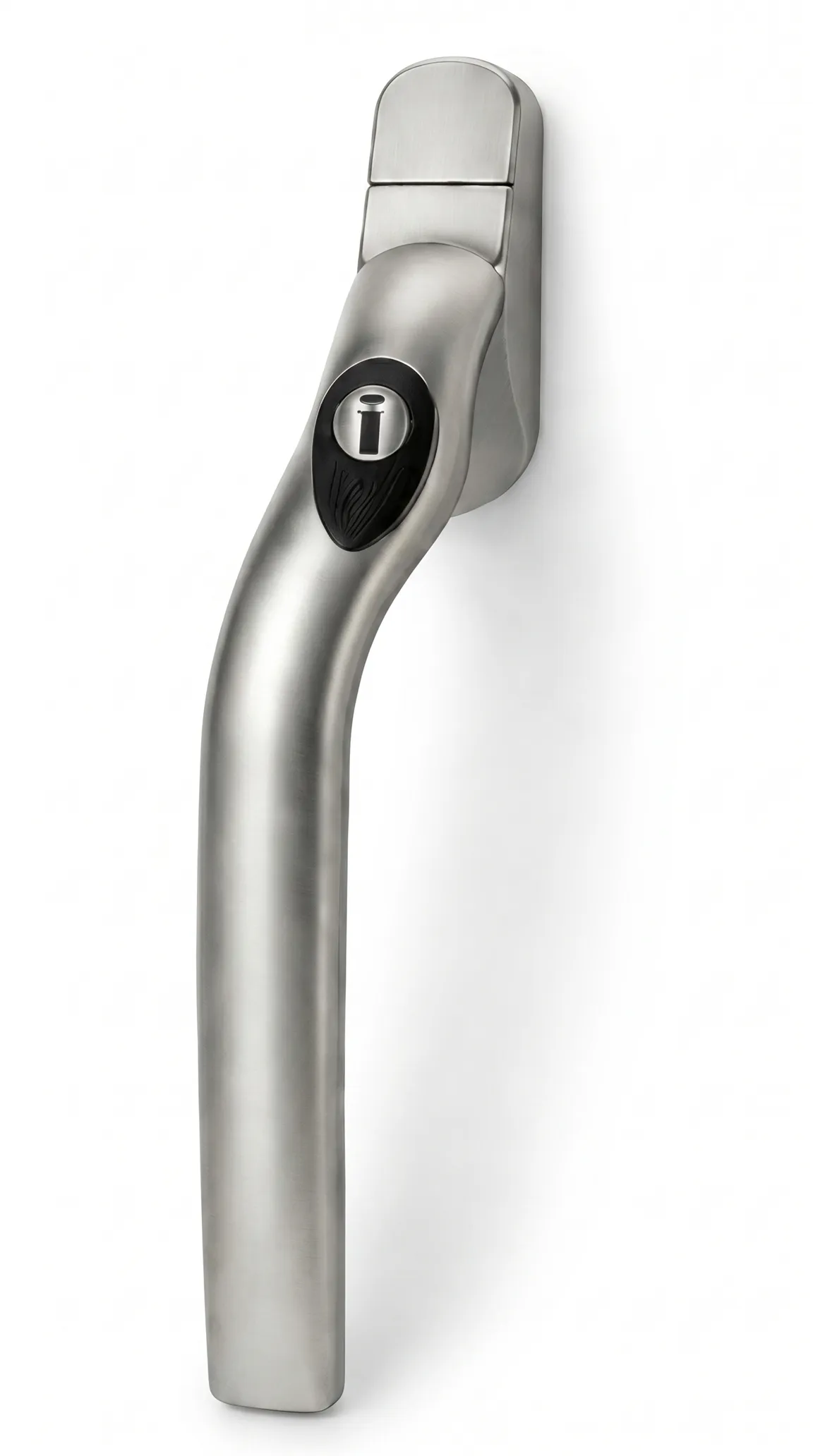
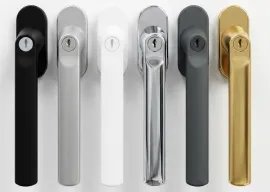
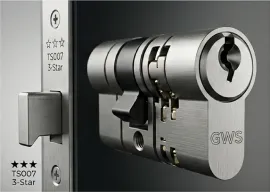
Each door and window is finished with market-leading hardware multi-point locking, TS007 3-star anti-snap cylinders, stainless-steel  running gear, concealed hinges, and a full range of lever, pull and  key-operated handles. Hover any handle to see it enlarge. Mix and match  to suit your home or project.
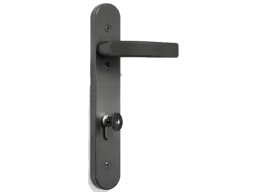
Lever - Anthracite
Lever - Anthracite
Smooth ergonomic lever in Anthracite Grey (RAL 7016M) - our most-specified door handle.
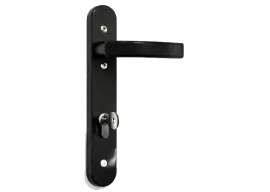
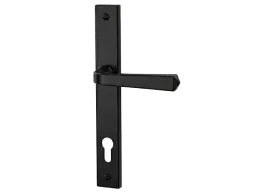
Lever - Matt Black
Lever - Matt Black
Matt Black lever for contemporary, architectural looks. Pairs with any frame colour.
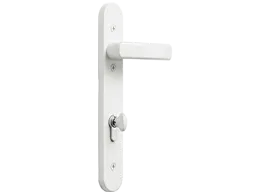
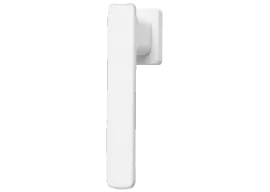
Lever - White
Lever - White
Bright White lever for classic, clean interiors and traditional homes.
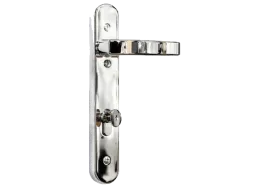
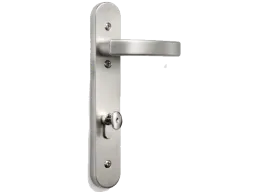
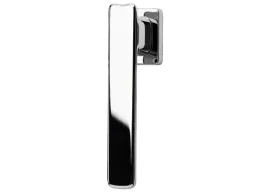
Lever - Polished Chrome
Polished Chrome lever - a timeless shine that suits modern and classic doors alike.
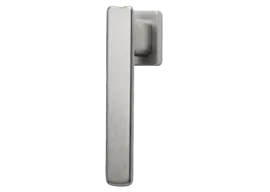
Lever - Satin Silver
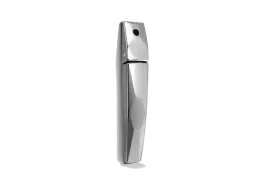
Satin Silver lever for a soft brushed finish that hides fingerprints.
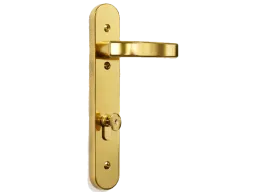
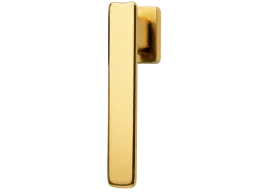
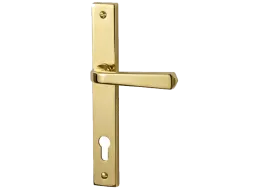
Lever - Brushed Gold
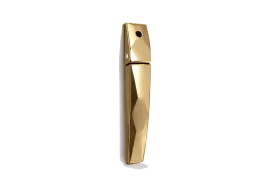
Brushed Gold lever for a warm, premium statement. Gorgeous with Anthracite frames.
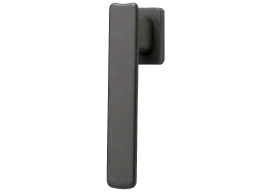
Quadra - Anthracite
Quadra - Anthracite
Square-edge contemporary lever in Anthracite Grey - clean architectural lines.
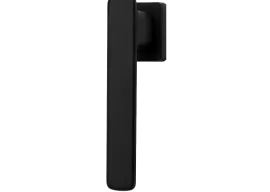
Quadra - Matte Black
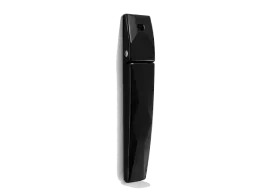
Matte Black square-edge lever - the ultimate modern door handle.
Quadra - Matte White
Matte White square-edge lever - fresh, bright, contemporary.
Quadra - Polished Chrome
Polished Chrome square-edge lever for a mirror finish that lifts any door.
Quadra - Satin Silver
Satin Silver square-edge - subtle brushed sheen, easy care.
Quadra - Brushed Gold
Brushed Gold square-edge lever - on-trend warm metal tone.
Window - Anthracite
Window - Anthracite
Espagnolette window handle in Anthracite Grey. Key-lockable option.
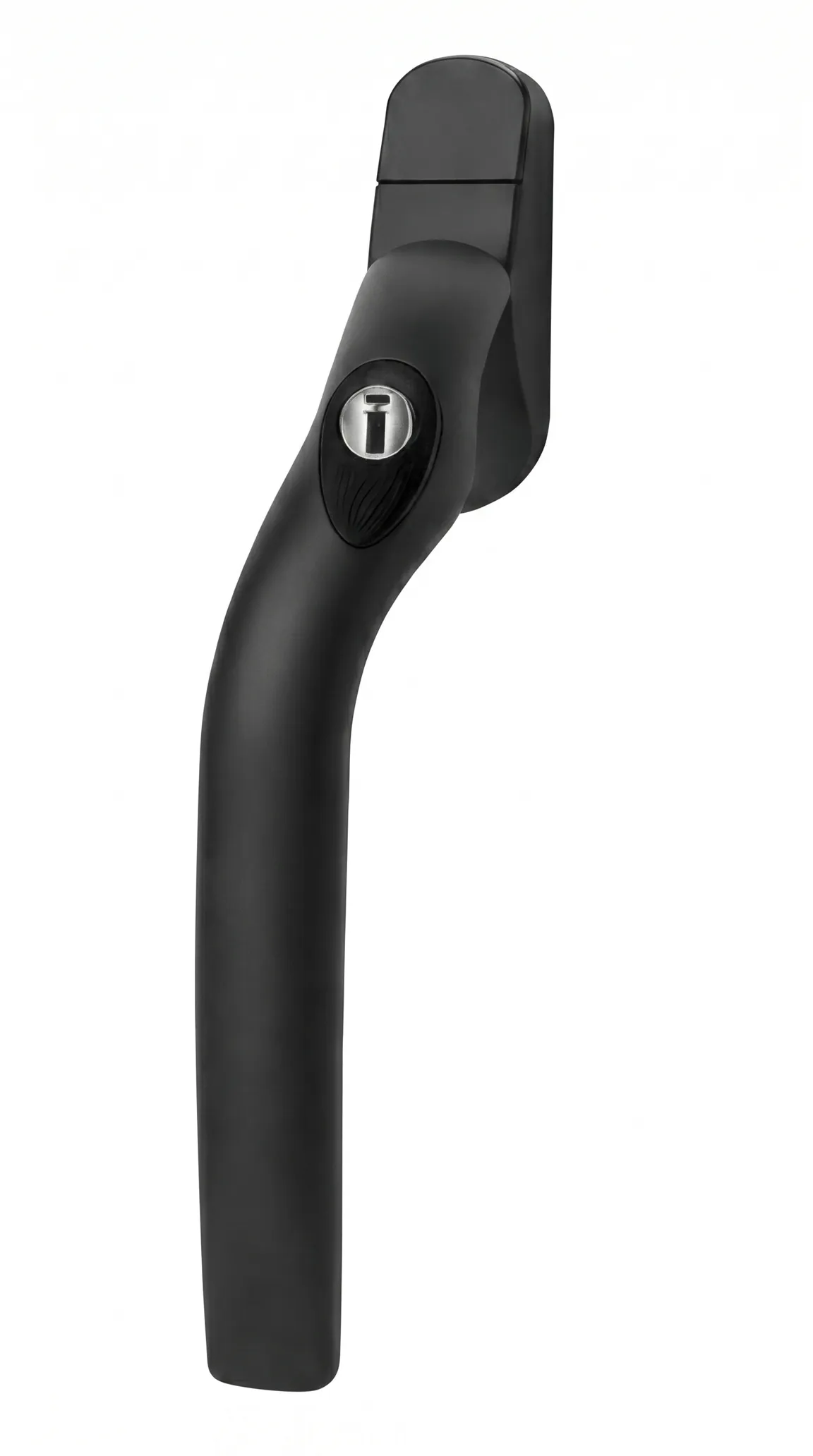
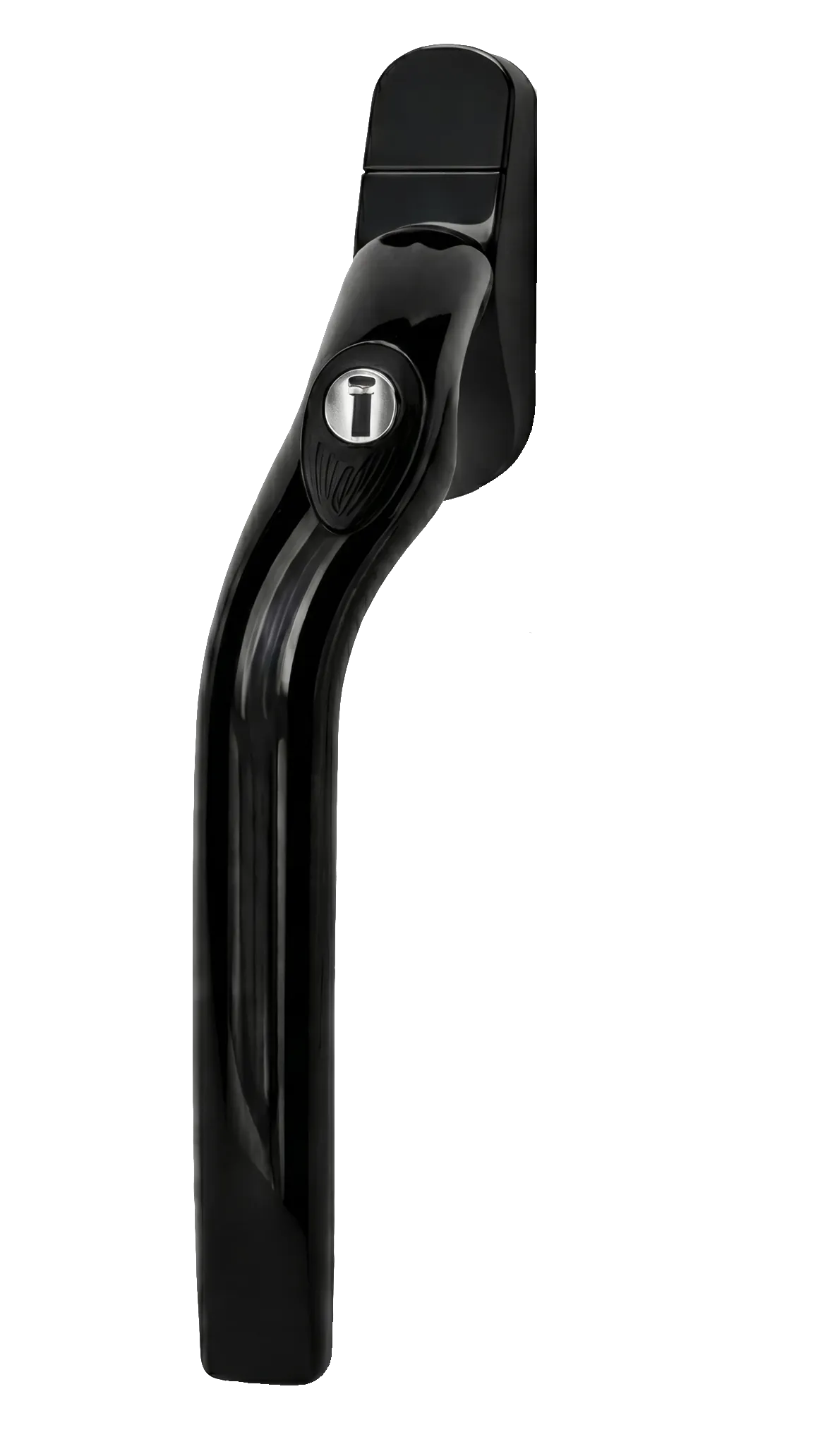
Window - Black
Window - Black
Black inline window handle - sleek and timeless. Child-safety key option.
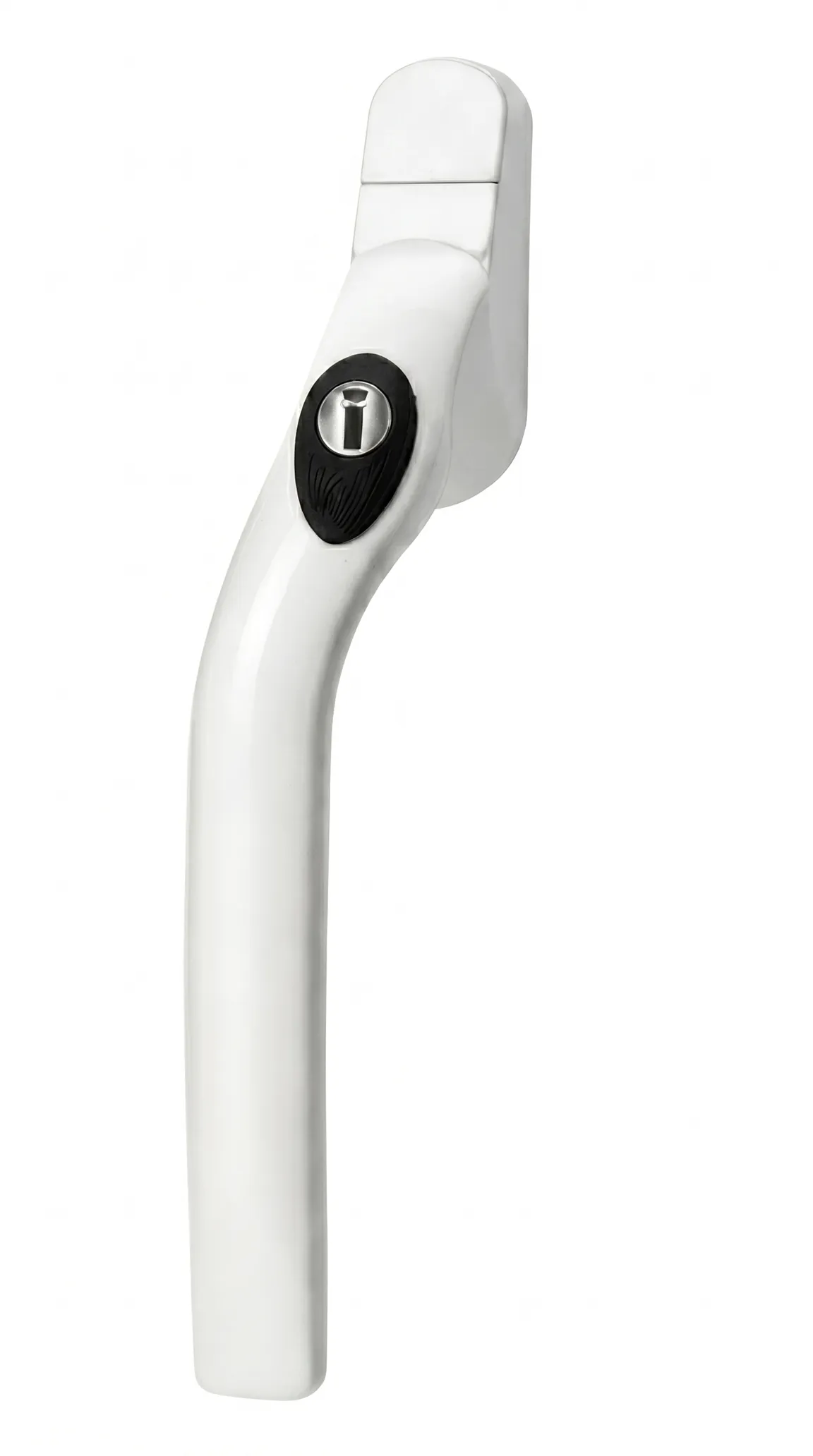
Window - White
Window - White
White window handle for traditional and modern casements alike.
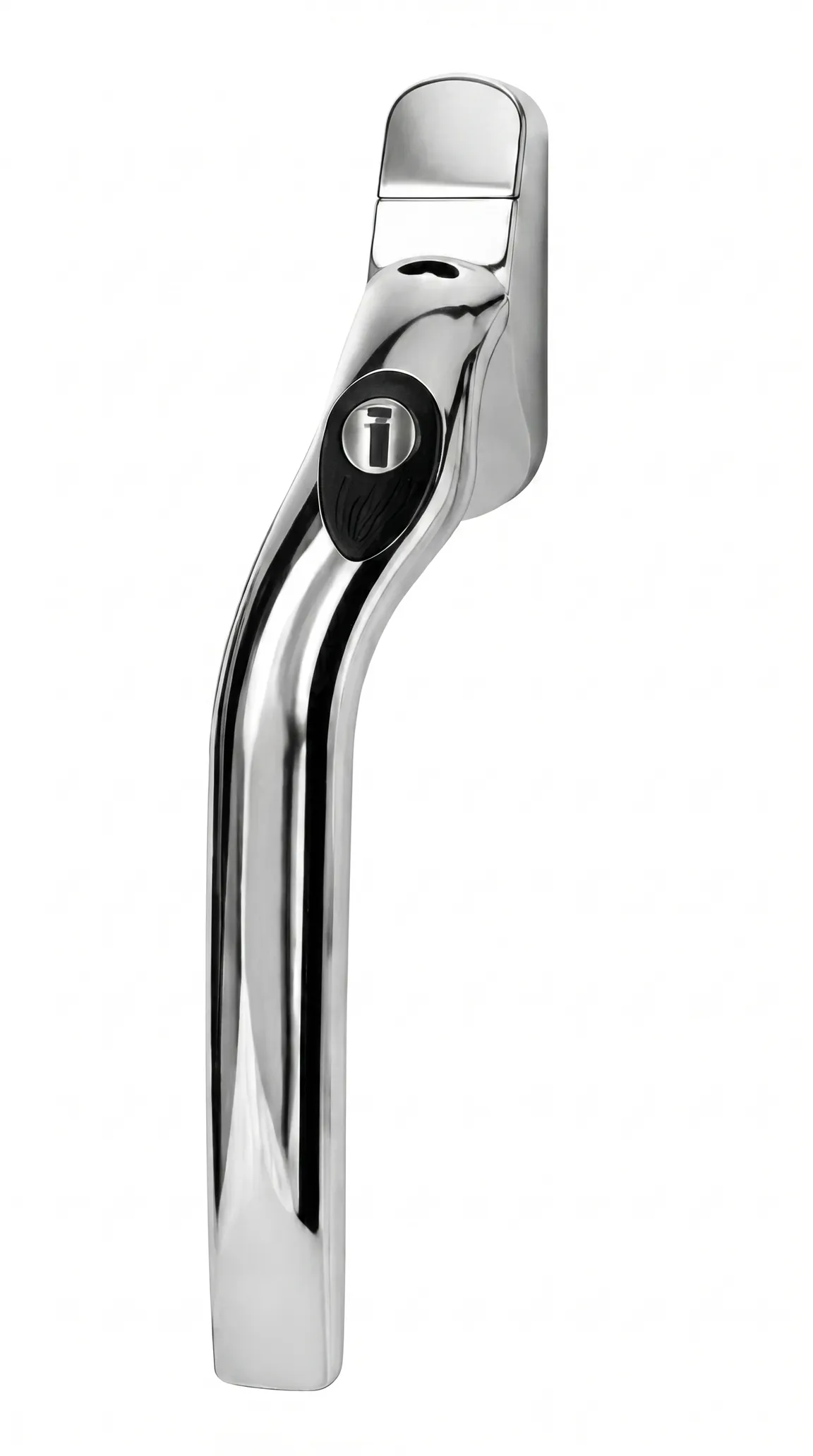
Window - Polished Chrome
Polished Chrome window handle - a classic finish for any room.
Window - Satin Silver
Satin Silver window handle - a calm, practical, brushed finish.
Window - Brushed Gold
Brushed Gold window handle - a beautiful accent on heritage windows.
Lift & Turn - White
Lift & Turn - White
White lift-and-turn handle - simple, strong, classic.
Lift & Turn - Chrome
Chrome lift-and-turn handle - glossy, durable, easy clean.
Lift & Turn - Satin Silver
Satin Silver lift-and-turn handle - brushed finish for a modern look.
Lift & Turn - Brushed Gold
Brushed Gold lift-and-turn handle - a warm luxury statement.
Lift & Turn - Anthracite
Heavy-duty lift-and-turn handle for patio sliders and bifold traffic leaves.
Lift & Turn - Black
Lift & Turn — Black
Black lift-and-turn handle - gym-grade multi-point gearing.
Lift & Turn — Jet Black
Deep matt black lift-and-turn for sliders and bifold traffic leaves.
Lift & Turn — Brushed Gold
Warm metallic statement handle for premium sliding doors.
Lift & Turn - Satin black
Soft-sheen black that hides fingerprints on busy doors.
Lift & Turn — Anthracite Grey
Colour-matched to RAL 7016 frames for a seamless look.
Rondo keyed handle
Rondo keyed handle
Child-safe keyed window handle - ideal for upstairs bedrooms and rentals.
Pull handle suite
Pull handle suite
Matching pull handle and escutcheon for entrance doors - bold or minimalist.
Concealed 3D hinges
Concealed 3D hinges
Hidden when closed — adjustable in three planes for a perfect reveal for life.
Multi-point locking
Multi-point locking
Anti-snap TS007 3-star cylinders, hook bolts and deadlocks on every door as standard.
Colour Range
Over 200 colours — powder-coated, textured & gloss
Hover over any swatch to see its RAL code. We finish every frame to order — matt, gloss, metallic or textured. Can't see your shade? Any RAL is available.
Anthracite Grey
RAL 7016M
Deep Black
RAL 9005T
HIPCA White
RAL 9910HG
Pastel Green
RAL 6019
Agate Grey
RAL 7038
Jet Black
RAL 9005M
Slate Grey
RAL 7015
Basalt Grey
RAL 7012
Light Grey
RAL 7035
Silver Grey
RAL 7001
Fir Green
RAL 6009
Moss Green
RAL 6005
Chocolate Brown
RAL 8017
Oxide Red
RAL 3009
Sapphire Blue
RAL 5003
Steel Blue
RAL 5011
Cream
RAL 9001
Sand Beige
RAL 1011
Anthracite Textured
RAL 7016 Matt T
Jet Black Textured
RAL 9005 T
Brushed Silver (Tex)
DB 701 T
Pewter (Textured)
RAL 7037 T
Brushed Bronze
DB 703 T
Olive Bronze
DB 604 T
Gold Metallic
AY 1050
Brushed Aluminium
AY 2050
Graphite Pearl
AY 900 M
Any RAL or BS colour available to order — just ask. Dual-colour (different inside / outside) supported on all ranges.
Explore the Range
More ways we transform homes & builds
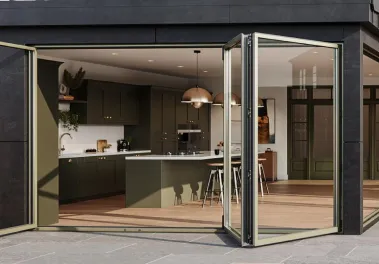
Versatali Bifold Doors
Slim aluminium folding doors, huge glass spans, Part L ready. Supply or fit.
U-Value
1.1 W/m²K
Rating
A-B WER
Security
PAS 24
Explore bifolds
Front & Panel Doors
Front & Panel Doors
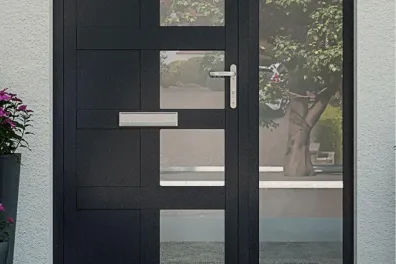
Bank-vault secure, optional ekey fingerprint entry, 120+ panel designs.
U-Value
1.1 W/m²K
Rating
A-B WER
Security
PAS 24
Explore front doors
Aluminium Windows
Aluminium Windows
Flat-flush modern casements, any configuration, 25% more glass than uPVC.
U-Value
1.1 W/m²K
Rating
A-B WER
Security
PAS 24
Explore windows
Heritage Windows
Heritage Windows
Authentic astragal bars, period look, modern Part L performance.
U-Value
1.1 W/m²K
Rating
A-B WER
Security
PAS 24
Explore heritage
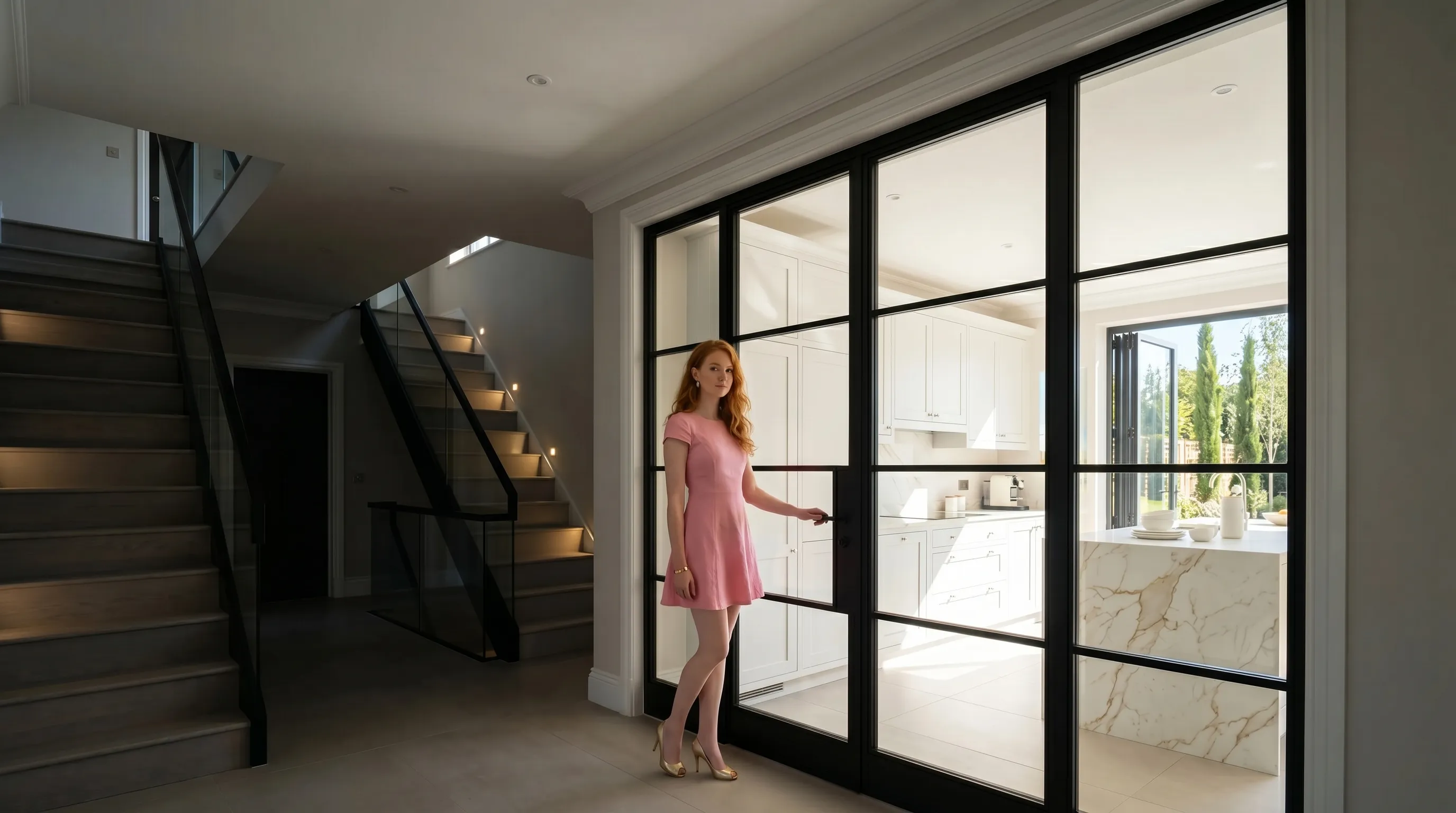
Glass Internal Doors
Bifold, sliding or pivot. Open-plan when you want it, quiet when you do not.
U-Value
1.1 W/m²K
Rating
A-B WER
Security
PAS 24
Explore internal doors
Conservatory Roof Replacement
Tiled, glass lantern or hybrid - reclaim your conservatory as a year-round room.
Roof U-value
from 0.15 W/m²K
Options
Tiled, glass or hybrid
Fitted
PAS 24
Explore roof replacement
Kitchen Extensions
Kitchen Extensions
Full-build rear and side extensions with trusted partner builders - concept to keys.
Build time
12–16 weeks
Service
Concept to keys
Glazing
Part L ready
Explore extensions
WhatsApp icon Chat icon glazed windows
Phone Glazed Windows
Contact Us
Download
Download
White arrow on dark background.
Join Our Newsletter
Be the first to know about new product launches, design inspiration, and exclusive offers. Stay connected with the latest in glazed door trends and expert tips — straight to your inbox.
Thank you! Your submission has been received!
Oops! Something went wrong while submitting the form.
Glazed Windows Logo
Glazed Window Systems
About Us
We specialise in premium glazed doors and windows, combining modern design with lasting durability to enhance residential and commercial spaces across the UK. Crafted with precision and built to perform, our products bring light, style, and value to every project.
Contact Us
Location Icon
Glazed Window Systems Limited
Flexspace Unit 12, Middlemore Road, West Bromwich, Birmingham, B21 0BN
© 2025 Glazed Window Systems Limited. All rights reserved.
Get it on Google Play badge. Download on the App Store badge.
White left-pointing arrow icon on a dark background. White left-pointing arrow icon on a dark background.

c

We use cookies to improve your experience, analyse site traffic, and personalise content. By clicking "Accept", you consent to our use of cookies.